Underground Aqueduct Systems and Ancient Stone Wells of Historic Towns

A factual record of Roman water distribution engineering, medieval cistern construction methods, and the current state of public well monuments in Italian historic centres.

Updated · Rome, Italy

Three topics, one archive

Interior view of the Etruscan Well in Perugia, 3rd century B.C.
Preservation

Preservation Status of Public Well Monuments in Historic Centers

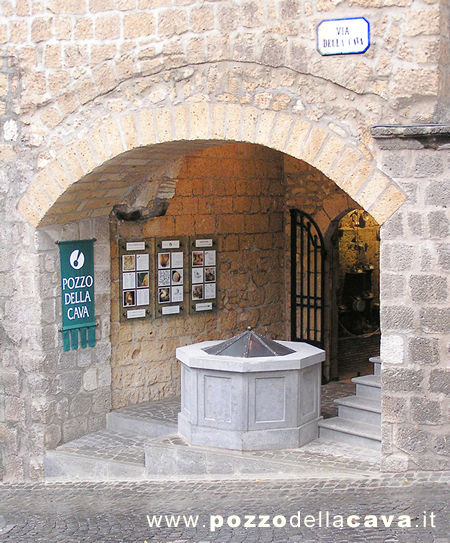
From Perugia's Etruscan well (3rd century B.C.) to Orvieto's Pozzo della Cava, which joined the UNESCO-IHP Global Network of Water Museums in 2023, Italian wells are documented across a wide range of conservation states.

· 7 min read

Roman Water Engineering Reached Eight Cities from a Single Source

The Aqua Augusta — later redocumented after a 647-metre section was rediscovered beneath Posillipo Hill in 2022 — remains the most complex multi-city aqueduct known from antiquity. Channels carved into tufa limestone carried water from Serino springs some 51 kilometres east of Naples, distributing it to Pompeii, Herculaneum, Cumae, and five additional settlements through ten distinct branch lines.

What the underground record shows

10 Branch Lines

The Aqua Augusta branched into seven urban lines and three supplying wealthy villas — an arrangement documented by no other Roman aqueduct of the same period.

30,000 m³ Capacity

The twin cistern complexes beneath Todi's Piazza del Popolo held a combined 30,000 cubic metres of water, constructed in opus caementicium with barrel-vault ceilings eight metres high.

39.85 m Deep

The Santu Antine di Genoni well in Sardinia, at 39.85 metres, is currently the deepest Nuragic well documented. Its upper section uses precisely moulded trachyte ashlars, transitioning to limestone below.

Medieval Towns Adapted Roman Infrastructure Rather Than Replacing It

Documentary evidence from Todi shows that medieval cistern construction began integrating with the Roman system as early as 1262, when the eastern complex beneath the Palazzo dei Priori was first recorded. The pattern held across hill towns of Umbria and Lazio, where hilltop geology forced both Roman engineers and medieval builders toward similar technical solutions: gravity collection from roof surfaces and spring capture through tufa channels.

About this archive

Maplewell documents the physical and documentary record of water infrastructure in Italian historic towns. Coverage focuses on the period from the late Roman Republic through the end of the medieval era, with attention to current conservation and access conditions.

Content draws from site visits, archaeological reports from Italian regional authorities, and peer-reviewed hydroarchaeological literature. Where direct measurements or administrative classifications are cited, sources are identified in each article.

Read more about the archive →

Contact the Editorial Desk

For factual corrections, source suggestions, or general correspondence regarding the archive.